Enhance Your Outdoor Environment: Professional Landscaping Advice for a Beautiful Residential Garden
Converting an outdoor space into a beautiful residential landscape involves careful design and thoughtful implementation. By examining the distinctive characteristics of a outdoor area, individuals can establish specific landscaping goals. Picking plants that suited to the regional weather is crucial. Moreover, integrating functional landscape features enhances both attractiveness and practicality. Still, the journey won't end at that point. Learning to maintain visual appeal and ecological balance can elevate any landscape significantly. Which tactics drive successful long-term results?
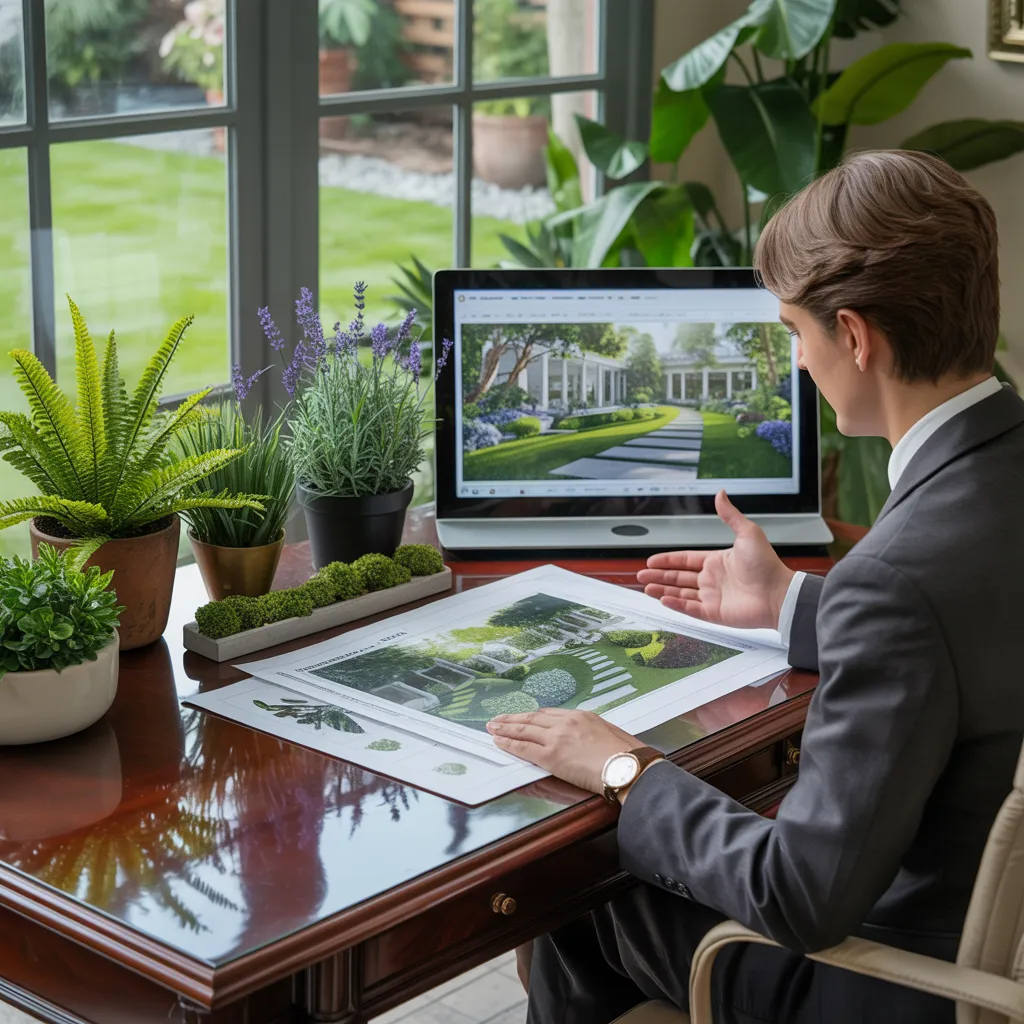
Examine Your Property to Determine Your Landscaping Objectives
Before undertaking any garden renovation, it is critical for residents to thoroughly evaluate their outdoor space. This initial evaluation enables them to understand the distinctive characteristics of their yard, including light exposure, soil composition, and current plants. Recognizing these aspects helps in establishing which kinds of landscape features and design can be successfully integrated into the environment.
Homeowners should take dimensions and document any obstacles such as vegetation, fences, or pathways that could affect the design. Moreover, recognizing individual tastes and living requirements—such as areas for entertainment, gardening, or relaxation—can guide the landscaping goals. By specifically establishing these objectives, homeowners establish a solid foundation for a unified and practical exterior space. This thoughtful assessment ultimately leads to a more successful and satisfying landscaping project, guaranteeing the exterior environment not only improves the home's aesthetic but also satisfies the practical needs of its inhabitants.
Choose the Right Vegetation for Your Regional Conditions
Picking the right plants for a particular region is important for establishing a flourishing exterior environment. Comprehending local weather patterns, such as temperature ranges, rainfall, and humidity, enables homeowners choose vegetation that will thrive. Native plants often adapt most effectively, requiring minimal upkeep and irrigation. For example, water-efficient plants are ideal for dry climates, whereas water-preferring plants flourish in humid climates.
Gardeners should further consider climate variations; selecting plants that provide year-round interest enhances the garden. Spring-flowering plants, summer perennials, and vibrant fall foliage can develop a dynamic visual experience. Furthermore, consulting local gardening centers or agricultural resources can offer helpful information into durable vegetation suited to specific conditions.
In the end, a well-planned vegetation arrangement enhances not only beauty but additionally promotes native fauna and supports ecological health, making it a smart decision for every exterior area renovation.
Elevate Your Garden Through Useful Hardscape Additions
Functional hardscaping elements act as vital components in shaping exterior areas and maximizing their practicality. By incorporating seating areas and professionally planned walkways, homeowners can create inviting environments that encourage comfort and mobility. Additionally, edging can establish different zones within the garden, adding structure and visual interest.
Establish Your Garden Setting
Creating a thoughtfully laid out outdoor space can transform a garden into a welcoming retreat. One effective technique to achieve this is through practical hardscape features, which establish structure and layout. Walkways made from stone or masonry complete info guide guests while adding visual interest. Retaining structures can form layered heights, improving the landscape's appearance and preventing soil loss. Barriers or screens can mark boundaries, providing privacy and a sense of enclosure. Incorporating raised garden beds not only establishes growing zones but also improves accessibility. These elements operate in harmony to establish separate areas that improve both visual appeal and practicality. Ultimately, a well-defined outdoor space creates a peaceful setting where homeowners can unwind and appreciate the outdoors.
Add Resting Zones
Incorporating sitting zones into an exterior environment greatly boosts its usability and appeal. By integrating functional hardscaping elements, homeowners can establish welcoming areas for rest, gathering, or appreciating the outdoors. Options include benches, patio sets, or hammocks, each contributing to the garden's aesthetic and convenience. Strategically placing seating near prominent areas like plantings or decorative pools, motivates visitors to participate with their surroundings. Additionally, selecting materials such as natural wood or stone can complement the garden's design, maintaining design consistency. Protective coverings, such as pergolas or umbrellas, provide comfort during warmer months, keeping these spaces accessible year-round. Ultimately, carefully planned sitting zones transform an ordinary garden into a welcoming retreat for guests and loved ones.
Establish Walkways And Borders
Pathways and borders are key components in landscape development, guiding explorers within your garden while improving its compositional strength. These generate arrangement and circulation, helping distinguish multiple spaces and planting options. Stone, gravel, or brick materials can construct permanent walkways, whereas natural borders from plants or decorative dividers enhance attractiveness. Pathways can encourage discovery, showcasing key areas like flower displays or fountain features. Well-designed borders reduce weed spread and soil loss, enhancing garden vitality. In summary, adding pathways and borders enhances usefulness and adds visual sophistication to your outdoor area, transforming locations into more inviting and pleasant settings.
Create Movement With Pathways and Sitting Spaces
A well-designed outdoor space often features a harmonious flow achieved through thoughtfully placed pathways and seating areas. Pathways guide visitors through the garden, creating a clear sense of direction while enhancing the overall aesthetic. Using materials like stone, gravel, or wood can contribute to the pathway's visual appeal and guarantee durability.
Seating areas provide rest points, inviting guests to pause and appreciate the surroundings. Strategically positioning seating near focal points, such as a fountain or a flower bed, encourages interaction with the landscape. The choice of seating—benches, chairs, or even hammocks—can influence the atmosphere, whether it be casual or formal.
Combining walkways and sitting spaces generates a warm environment, upgrading utility and contentment. In tandem, they construct a smooth flow between distinct areas of the garden, stimulating exploration and rest, ultimately reshaping any exterior setting into a calm escape.
Enhance Your Landscape With Seasonal Hues and Variety
To improve the aesthetic quality of a landscape, thoughtful choosing of seasonal varieties is critical. Combining various textural qualities can bring dimension and engagement, as well as carefully positioned highlights can capture attention and develop a unified composition. All these aspects combined assure a lively and engaging exterior environment all year long.
Choose Seasonal Plants Thoughtfully
Selecting season-appropriate plants wisely can transform any garden into a vibrant tapestry of color and texture. By picking plants that bloom at different times throughout the year, gardeners can guarantee a continuous display of beauty. Spring bulbs, summer color providers, fall-flowering perennials, and evergreen winter specimens each contribute unique hues and forms to the landscape. It is essential to take into account local climate conditions and soil types, as well as the plants' growth patterns. Native species often thrive better and require less maintenance, enhancing biodiversity. Additionally, combining plants with varying heights and bloom times can establish an eye-catching visual effect. Ultimately, careful consideration fosters a landscape that evolves seasonally, offering a delightful experience year-round.
Create Textured Layers To Achieve Visual Depth
Creating depth in a garden requires combining textures that support and improve seasonal hues. By incorporating a variety of plants with differing foliage shapes, sizes, and colors, one can produce an engaging garden design. For instance, the use of broad-leaved plants alongside fine-textured grasses can create contrast and intrigue. Additionally, adding tree bark, rocks, and organic elements adds sensory touches that improve the complete landscape. Flowering plants should be strategically positioned to provide bursts of color throughout the year, ensuring that each layer remains visually interesting. This thoughtful arrangement not only draws the eye across the garden but also creates an engaging environment where each element adds to the garden's overall beauty and balance.
Place Visual Anchors Strategically
Intentionally placing focal points can markedly enhance a garden's aesthetic quality and seasonal richness. These focal points serve as anchors that draw the eye and create a cohesive design. Gardeners can apply elements such as sculptures, ornamental trees, or vibrant flower beds to establish visual interest. Seasonal color can be introduced through the careful selection of plants that bloom at different times, ensuring that the garden remains dynamic throughout the year. Textures also play a significant role; blending flat stone surfaces with uneven bark or thick plant life adds depth. By deliberately arranging these pieces, a gardener can build a friendly environment that sparks discovery and gratification, reshaping outdoor grounds into a fascinating hideaway.
Utilize Sustainable Methods for Ensuring a Vibrant Garden
Embracing eco-friendly practices is important for growing a flourishing garden that flourishes in sync with the surroundings. Gardeners are encouraged to use naturally-occurring flora, which need less water and care while supporting local animals. Introducing chemical-free approaches, such as composting methods and natural pest control, can greatly minimize pesticide application, promoting a more vibrant environment.
Water conservation strategies, such as targeted watering systems and rainwater harvesting, boost sustainability by optimizing resource use. Applying mulch not only preserves hydration while also suppresses unwanted plants, lowering the requirement for weed killers. Also, encouraging plant variety by including varied vegetation builds strength to harmful organisms plus plant diseases.
Healthy soil is essential; practices including crop cycling and cover cropping keep soil nutrients excluding synthetic fertilizers. By adopting such eco-friendly practices, gardeners can build a thriving area that fosters both plants and the environment, resulting in an enhanced horticultural experience.
Resolve Frequent Difficulties to Keep Throughout-the-Year Landscape Beauty
A carefully-tended planted area can experience numerous problems throughout the year, impacting its total visual appeal and vigor. Frequent challenges consist of pest issues, insufficient nutrients, along with insufficient water. Spotting pests early is essential; growing enthusiasts should frequently check foliage for injury marks and treat infestations using chemical-free pesticides or incorporating predatory insects.
Nutrient shortages often manifest as yellowing leaves along with stunted growth. Conducting soil assessments can enable identify specific demands, enabling to enable precise fertilization Insufficient nutrients frequently appear as leaf yellowing or limited growth. Conducting soil analysis can allow identify distinct requirements, enabling focused fertilization returning stability. Additionally, ensuring appropriate watering is crucial; overwatering can cause root damage, whereas underwatering stresses growing things.
Seasonal changes moreover require adjustments to upkeep. Over winter, using mulch guards plant roots against frost, whereas warm months can call for more water plus shade protection for delicate plants. By tackling such frequent challenges promptly
Should I Handle Landscaping Independently or Engage a Specialist?
One can certainly complete outdoor landscaping yourself, tapping into digital tools and creativity. However, bringing in a professional delivers knowledge, effectiveness, and better outcomes, especially for complex designs or substantial jobs that require specialized skills.
Which Equipment Are Required for Residential Landscaping?
Important implements for home landscaping consist of a garden rake, shovel, garden spade, pruning scissors, garden fork, and a watering hose or sprinkler can. These items support efficiently handle soil, garden plants, and general garden upkeep, delivering successful landscaping
What Steps Should I Take to Preserve My Yard Across the Calendar Year?
If you want to keep a garden area throughout the year, consistently trimming greenery is necessary, using mulch for thermal protection is important, checking water levels matters, and using seasonal planting methods is beneficial. Also, pest prevention and nutrient application are required for vibrant, healthy growth.